
Maintaining reliable temperature measurements when equipment is constantly under vibration and thermal conditions
Accurate temperature measurement depends on more than selecting the right sensor. In applications exposed to vibration conditions with high gas flow,and thermal transient, maintaining consistent exposure to high temperature gas flow is essential for reliable performance.
Without that contact, temperature readings can become less accurate, leading to process variation, unnecessary troubleshooting and premature sensor failures. Spring-loaded temperature sensor designs help solve this challenge by maintaining continuous contact, even as equipment expands, contracts or vibrates during operation.
Why vibration affects temperature measurement
Many industrial systems experience constant vibration during normal operation. Pumps, turbines, motors, compressors, power generation equipment and rotating machinery all generate vibratory conditions that can affect sensor stability and cause pre-mature sensor failure over time.
Even slight movement can reduce heat transfer between the sensing tip and the measurement surface, impacting measurement accuracy and repeatability. In processes where precise temperature control is critical, these inconsistencies can affect overall process stability.
How spring-loaded sensors help
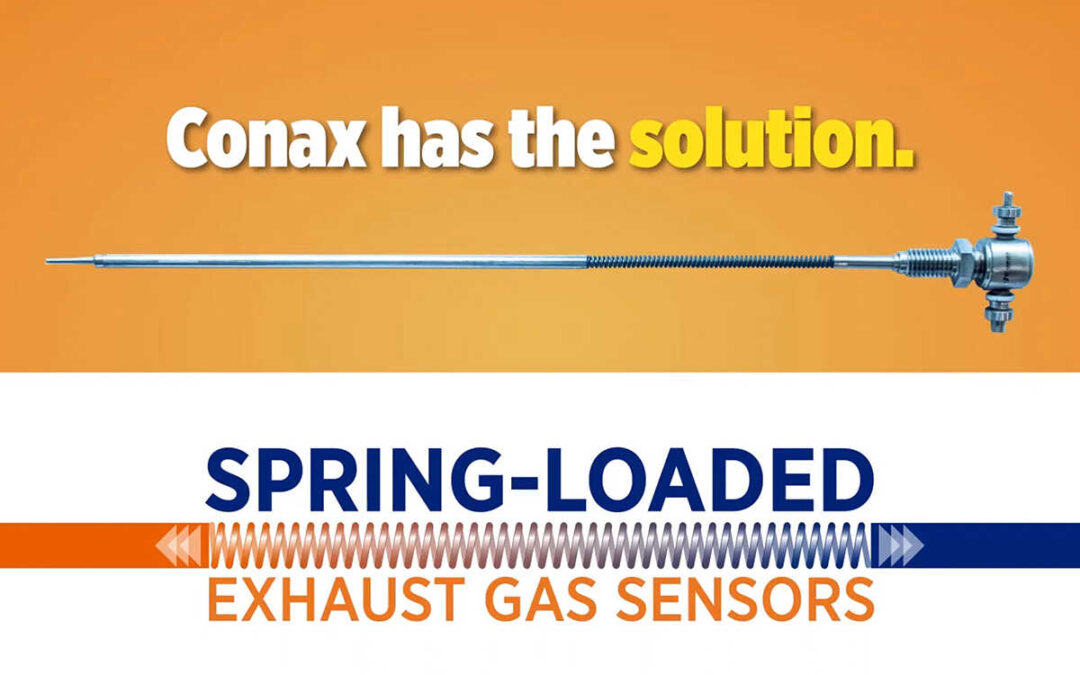
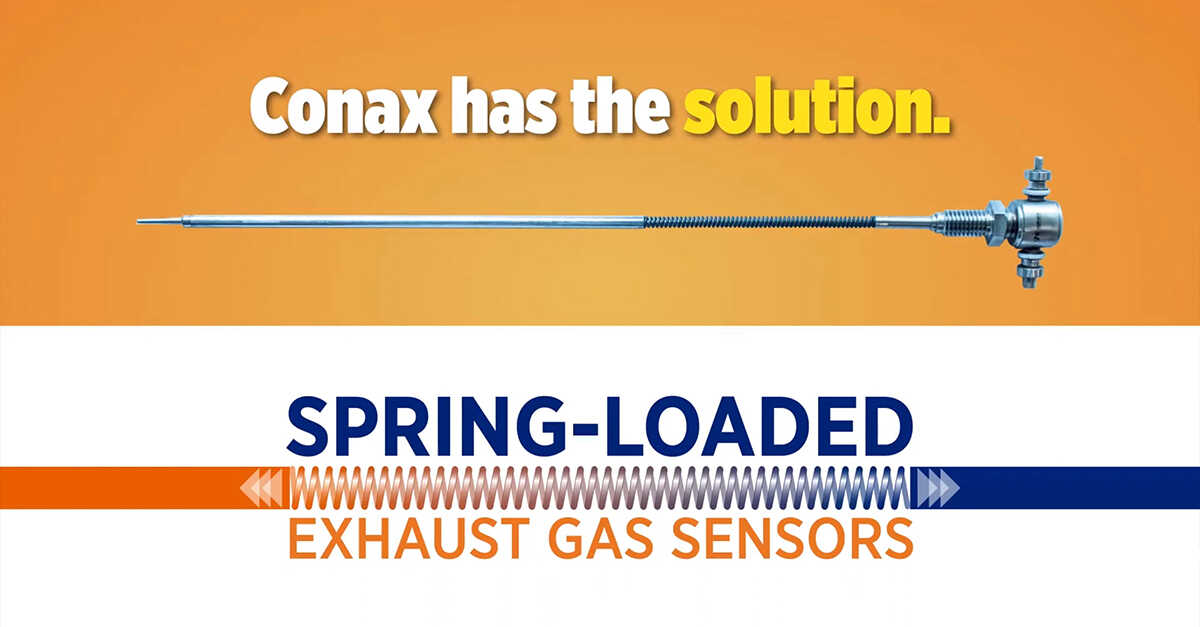
Spring-loaded sensors use a high temperature compression that is inserted between the two spacer tubes to dampen vibration, keeping the sensor tip seated within the thermal well/radiation shield while maintaining the sensor tip, sealing collar, and radiation shield. This allows for mechanical integrity of the sensor tip and tip location within the gas stream eliminating potential pre-mature tip failures.
Where spring-loaded sensors are used
Spring-loaded temperature sensors are commonly used in applications where vibration, thermal expansion and harsh operating conditions can make maintaining consistent sensor contact difficult.
In the power generation industry, this includes:
- Gas turbines
- Exhaust gas temperature (EGT) monitoring
- Combustion systems
The spring is only one part of the solution. Long-term performance also depends on selecting the appropriate sheath material, probe diameter, mounting configuration and sealing method for the operating environment.
In gas turbine applications, sensor designs must withstand continuous vibration, thermal expansion mismatch and high-temperature gas flow without sacrificing measurement accuracy or service life. Conax engineers work closely with customers to develop temperature sensing solutions that address these challenges. By optimizing sensor construction for the application, manufacturers can improve measurement reliability, reduce premature sensor failures and extend maintenance intervals.
Whether you’re monitoring exhaust gas temperatures in a gas turbine or measuring temperatures in another high-vibration application, Conax engineers can help you select or design a temperature sensor built for your operating conditions.
Contact our team to discuss your requirements or learn more about our complete line of temperature sensing solutions.